Living with the things you love
The pieces that make a house feel like someone live there are rarely the expensive ones. They are the ones with a story — and they deserve to stop living in boxes.
There is a particular kind of joy that comes from walking into a home and understanding, immediately, who lives there. The pieces that make that possible are rarely the expensive ones. They are the ones with a story — the ginger jar that belonged to a grandmother, the brass bookend found on a road trip, the photograph that makes you laugh every single time you pass it.
Most of my clients arrive with boxes of these things. Beautiful, meaningful, profoundly personal — and shut away in a closet because nobody ever taught them how to live with objects that matter. So the keepsakes stay archived, and the rooms stay generic. Here is how I think about closing that gap, so the things you love stop living in boxes and start living in the room.
Start with the story, not the shelf
Before you buy a single piece of furniture, pull out the objects you cannot part with. Lay them on a table and look at them the way an editor looks at a manuscript. Which one makes you feel something the moment you see it? That piece is your anchor. Build the room outward from it, the way a sentence builds outward from its verb.
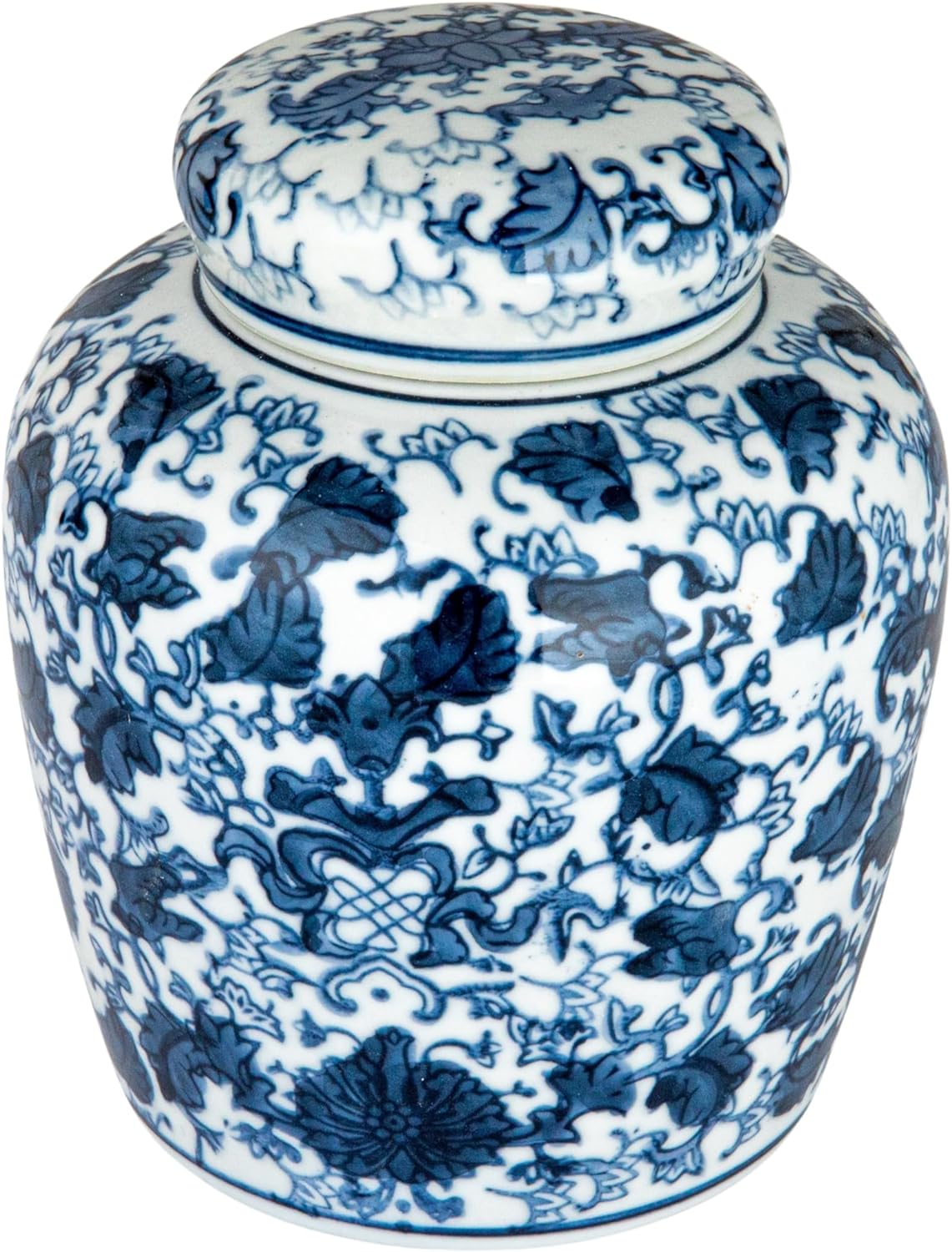
An anchor does not have to be valuable. I once designed an entire entry around a chipped ceramic ginger jar a client had carried home from a flea market in her twenties. Nothing else in the hall cost less than ten times that jar, and nothing else in the hall mattered half as much. Gave it the best light in the room, a quiet pedestal, and let it do the talking.
Give objects room to breathe
The single most common mistake I see is crowding. A shelf packed edge to edge with treasures reads as clutter, not curation. The eye needs negative space to register each object as intentional. Pull half of it away — I promise you will not miss it — and give the keepers an inch of air on every side.
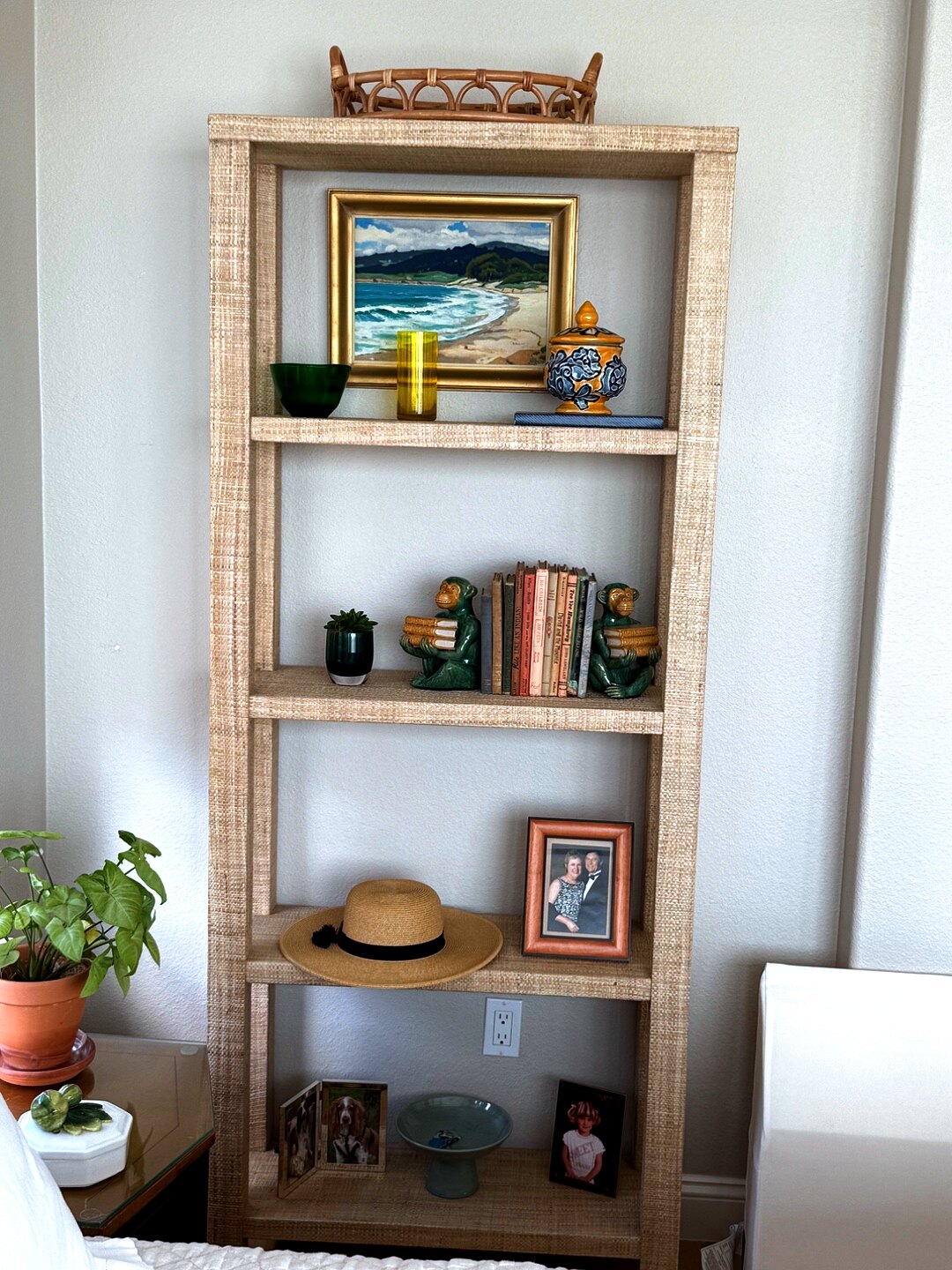
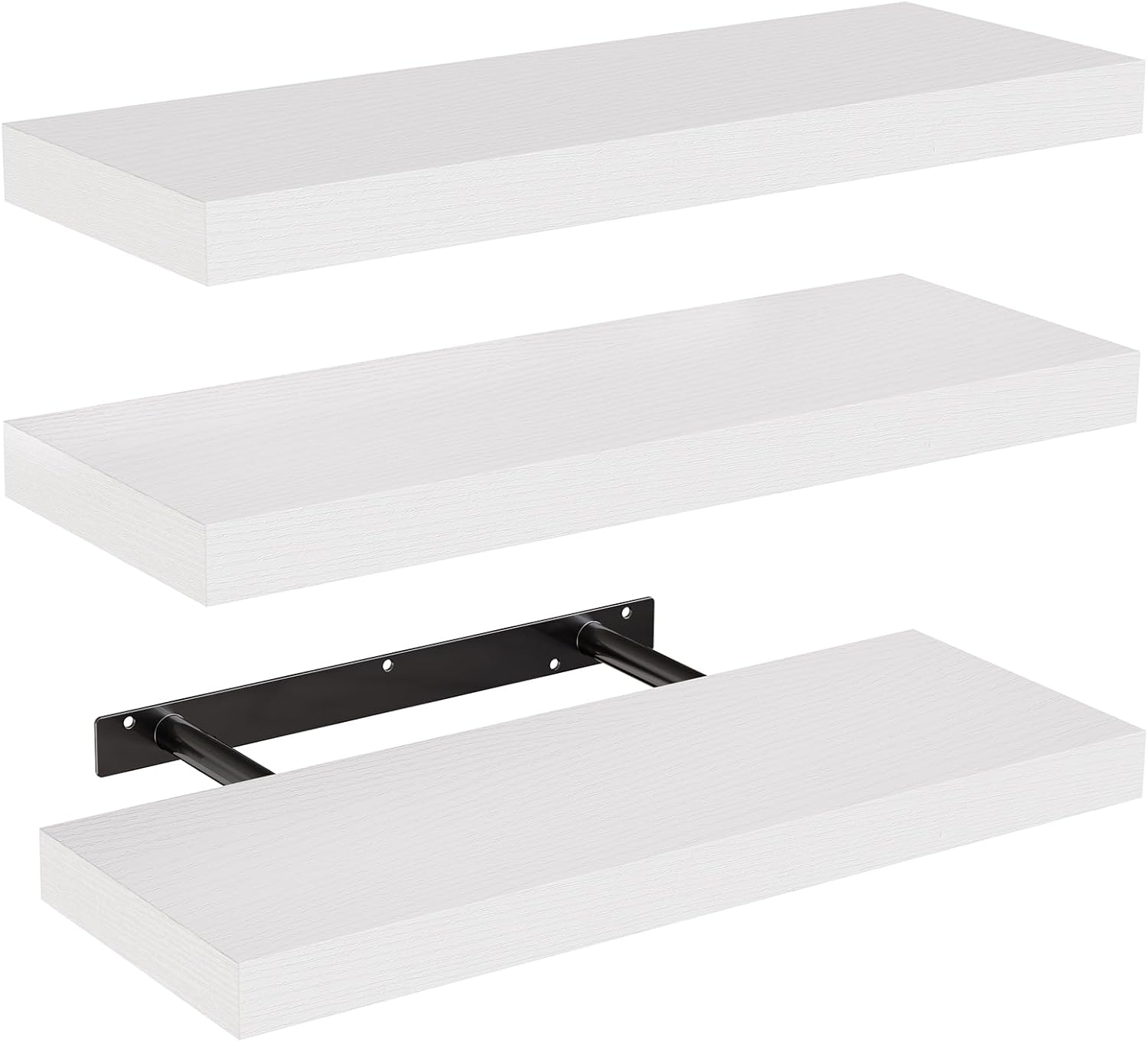
On an étagère or a floating shelf, I like to work in threes: one tall object, one medium, one low, with a gap between each grouping. Repeat a single color — a thread of blue, a warmth of brass — across the shelves rather than repeating a theme. Color travels; themes feel dated.
Repeat a color, not a theme
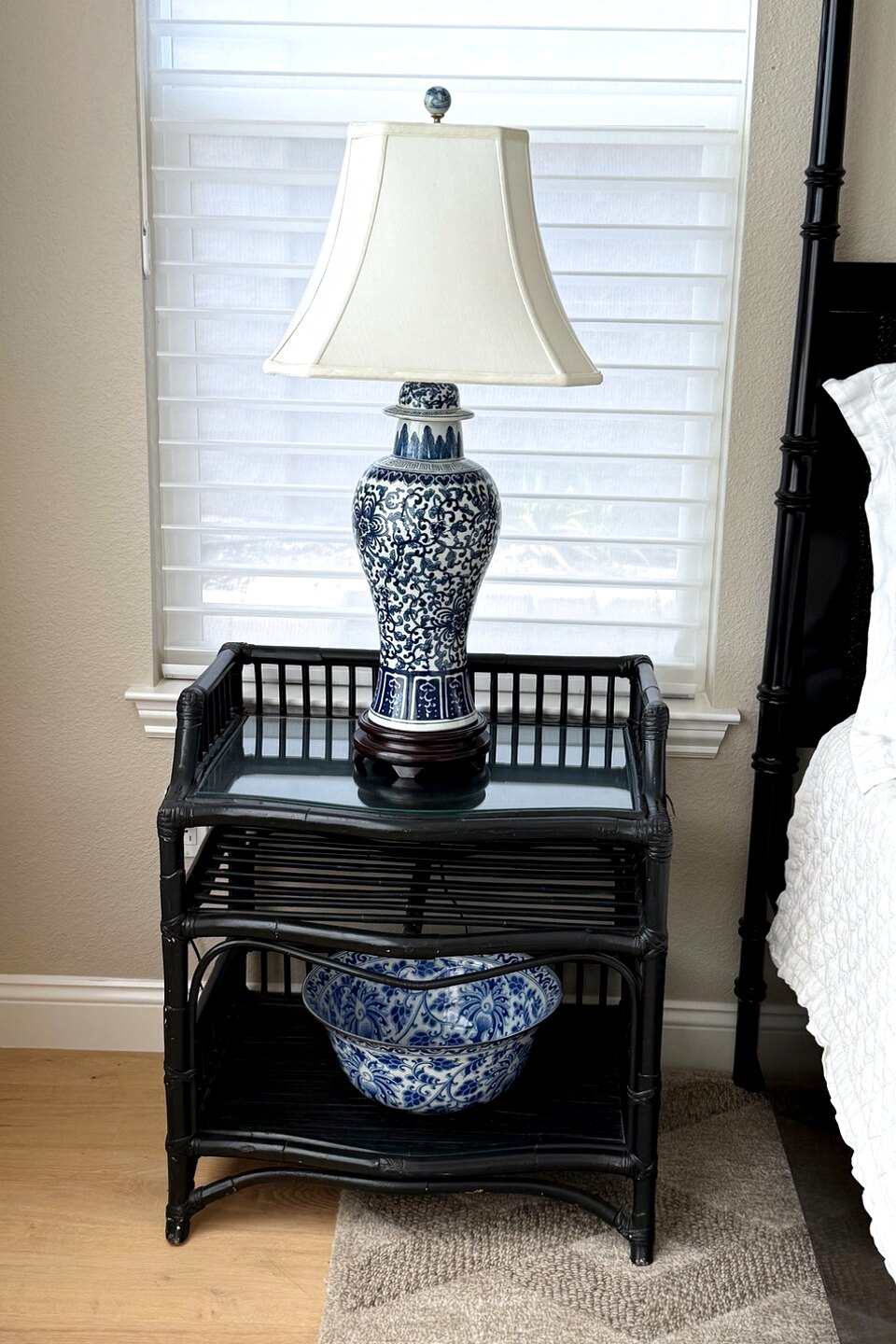
If every shelf is “coastal” the room starts to feel like a gift shop. But if a piece of blue-and-white porcelain on the top shelf echoes a blue pillow across the room, the eye makes the connection for you and the whole house feels composed. That is the difference between decorating and designing.
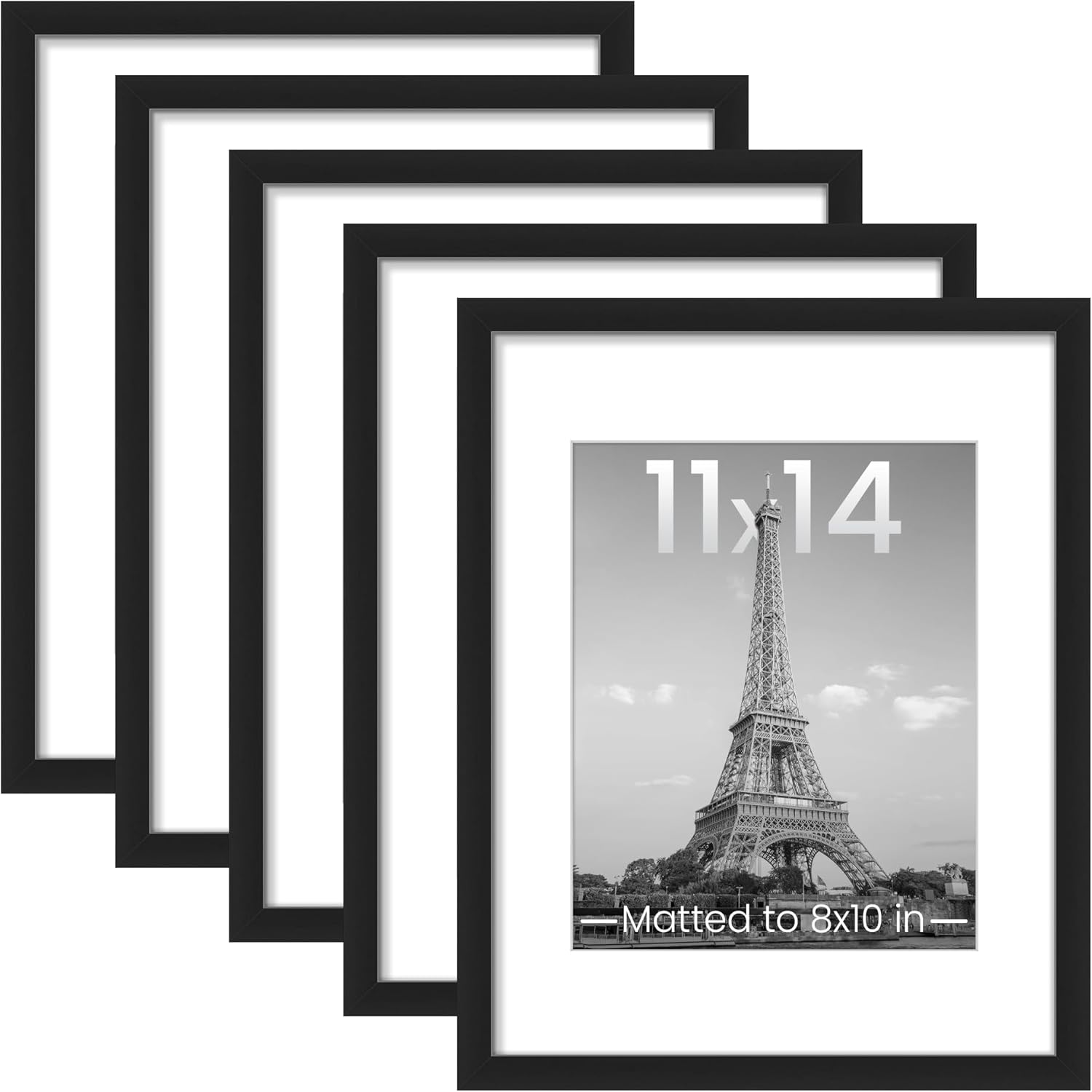
Frames count here too. A wall of family photographs in matching frames, hung with intention, does more for a room than any piece of art you could buy. The photographs are already the most personal thing you own. Give them the same care you would give a gallery.
The most beautiful homes aren’t the ones that look the most expensive. They’re the ones that feel unmistakably like the people who live in them.The Alexander Redesign philosophy
Shop the Story
Tools to get it right
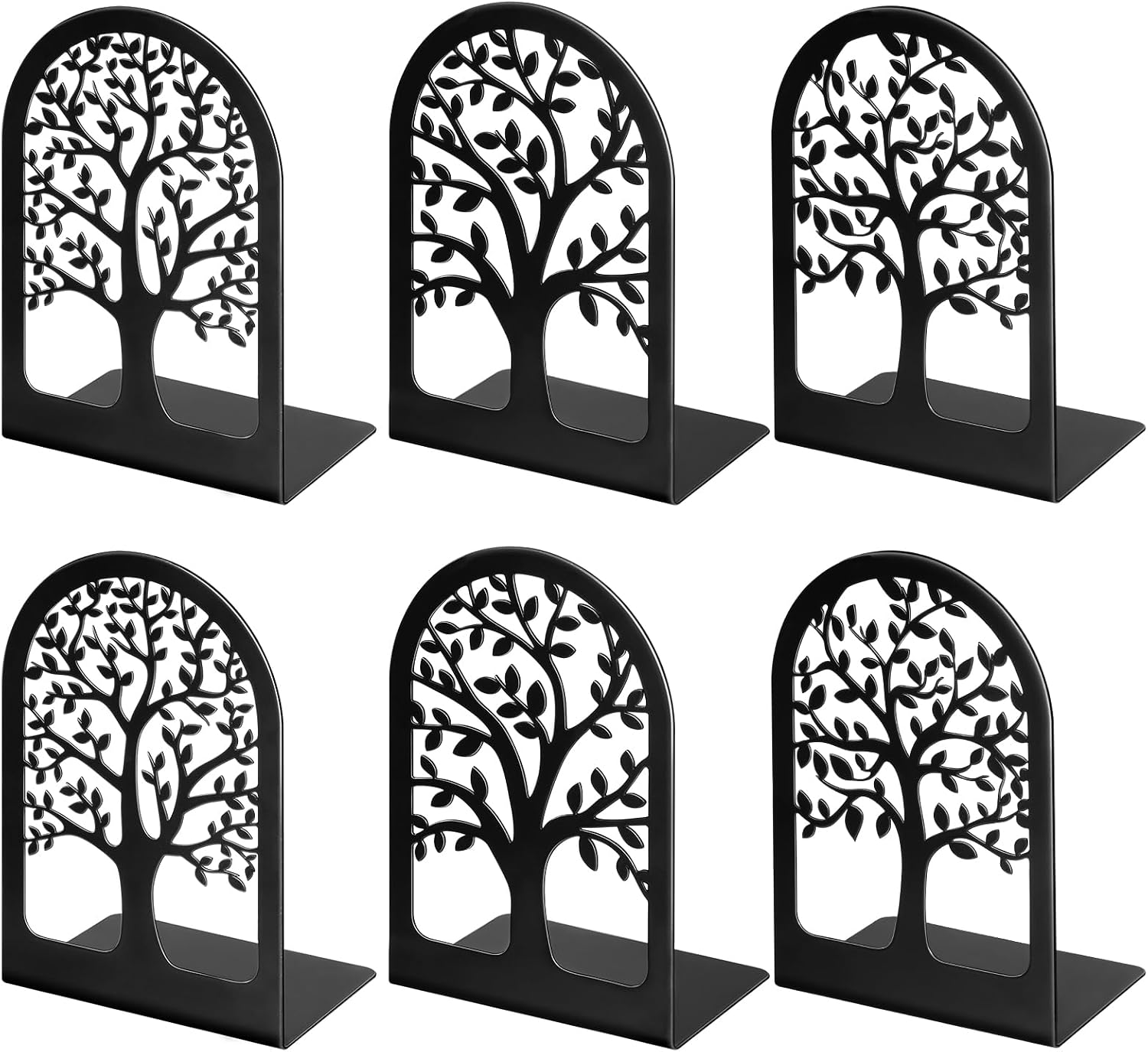
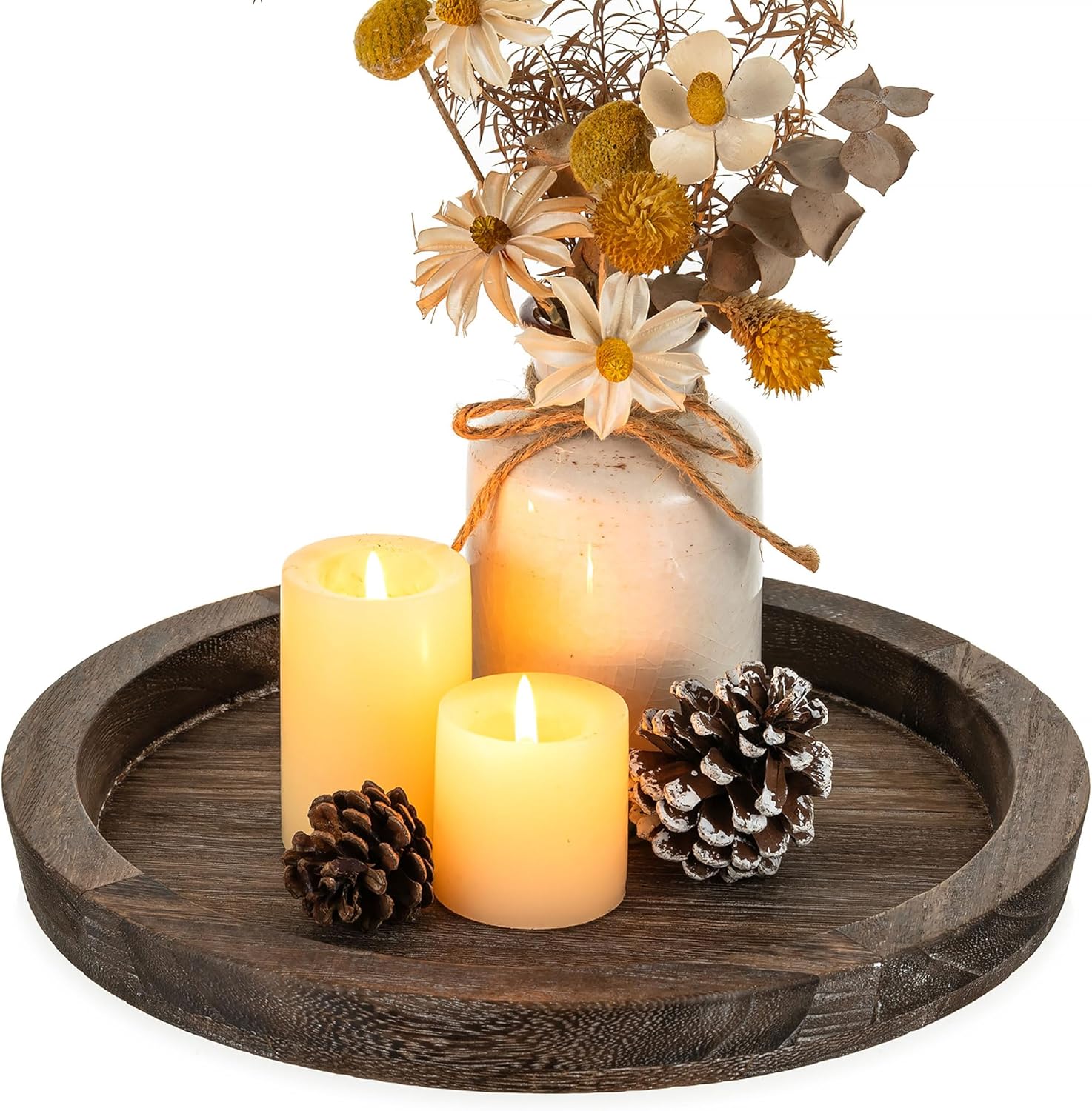
A few well-made pieces to help you put these ideas into practice — each one a long-time reader favorite on Amazon.
As an Amazon Associate, Alexander Redesign earns from qualifying purchases at no additional cost to you. Ratings and review counts are as shown on Amazon at the time of writing.