Why paint changes everything
Of everything I do in a home, paint has the highest ratio of impact to cost. It is also the change clients fear most. Here is how to get it right.
If I could change only one thing in a tired room, I would change the paint. Not the sofa, not the rug, not the art — the paint. Nothing else delivers so much transformation for so little money, and nothing else is so consistently, almost superstitiously, feared.
The fear is reasonable. Paint is permanent-ish, it is visible from every angle, and the chip you fell in love with at the store has a nasty habit of turning into something else entirely once it is on your wall. But the fear is also fixable. Paint misbehaves for predictable reasons, and once you know them, color stops feeling like a gamble and starts feeling like a decision.
Forget the chip, watch the room
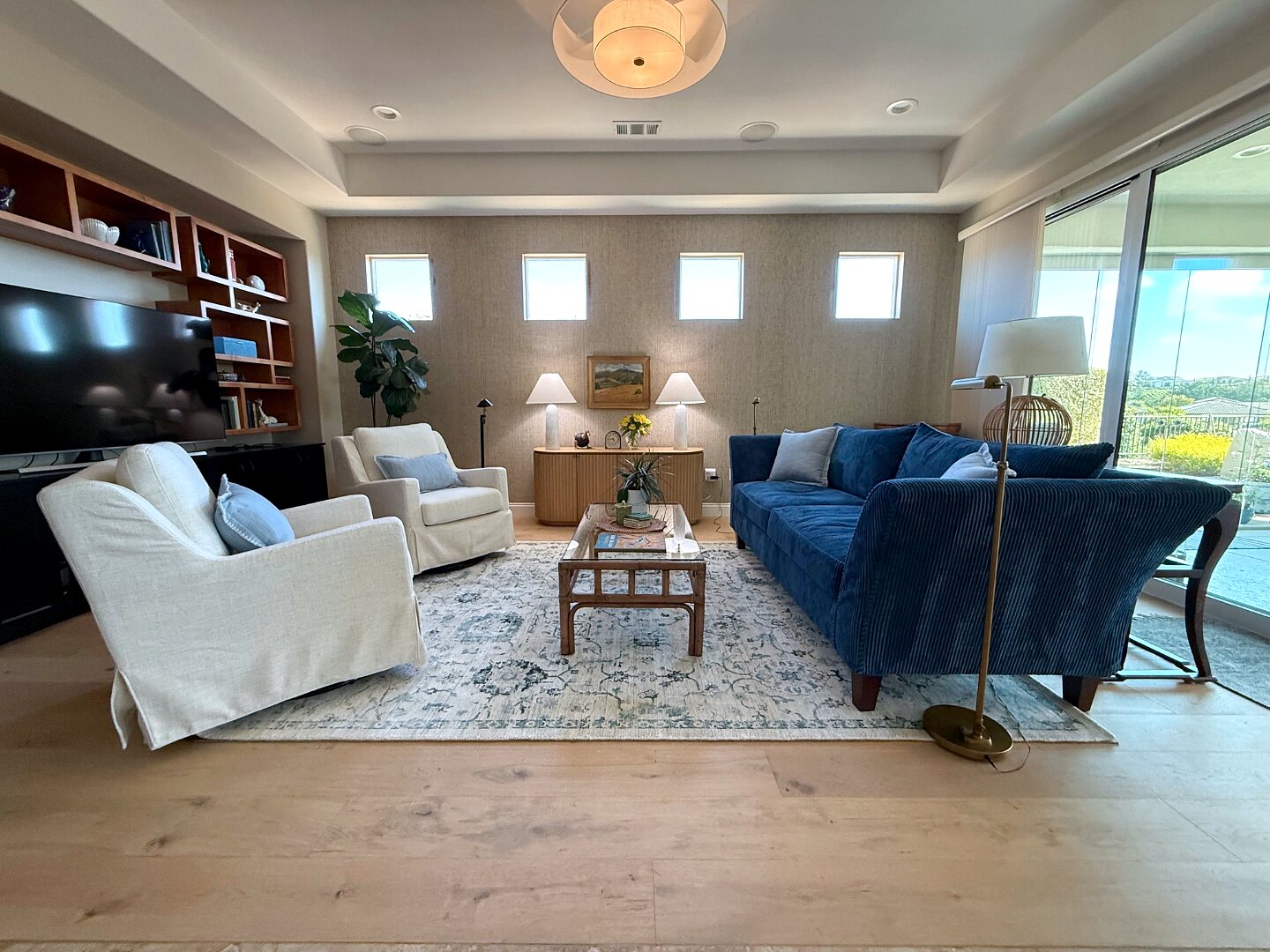
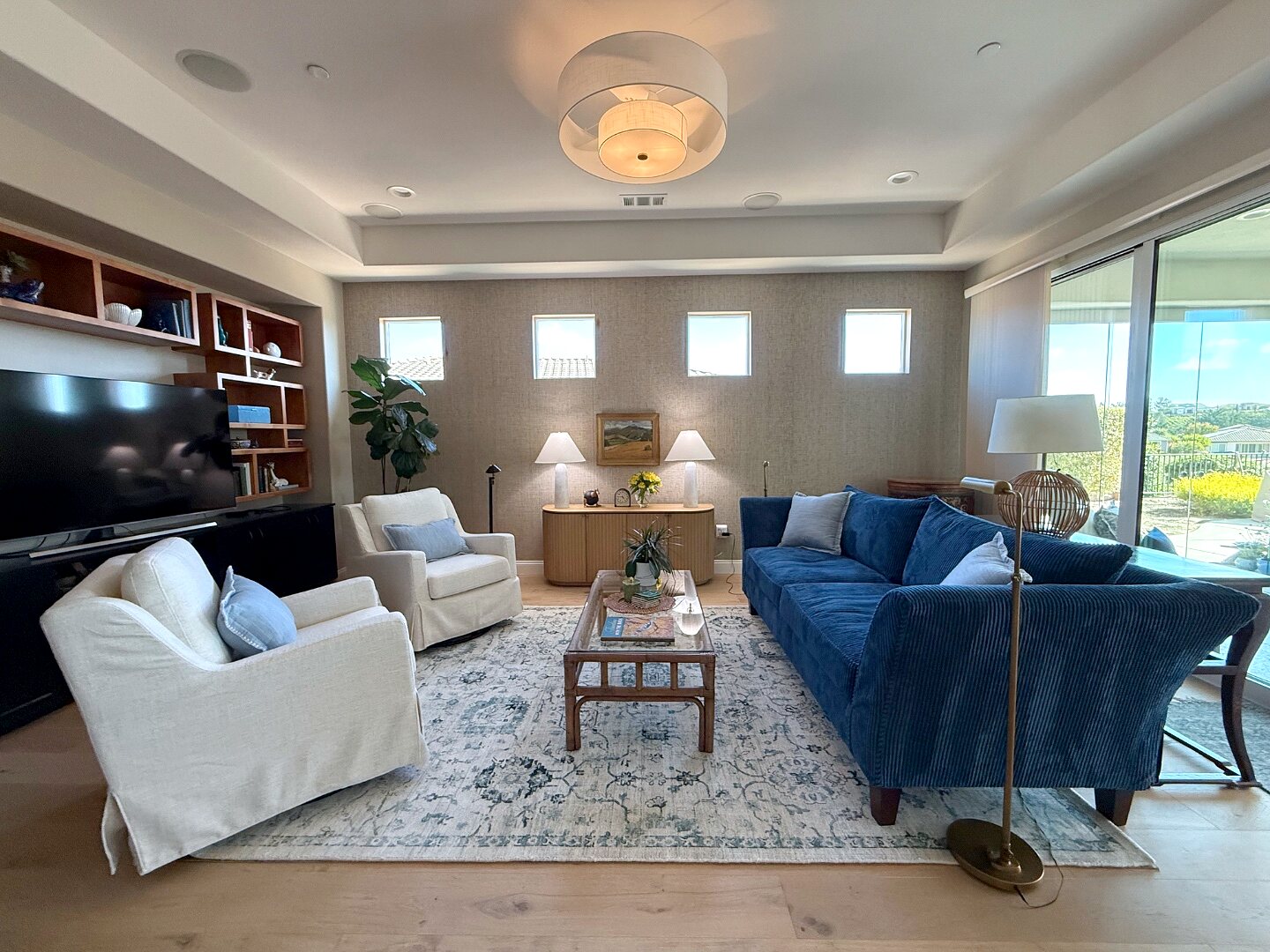
A one-inch chip tells you almost nothing, because color is not a property of the paint — it is a relationship between the paint, the light, the trim, and every surface around it. The same beige reads warm against a north-facing window and gray against oak floors. You cannot see this in a chip. You can only see it on the wall.
So buy a sample, paint a generous swatch — two feet square, not a Post-it — on two walls that get different light. Then leave it alone. Look at it in the morning, at noon, after sunset with the lamps on. A color that survives all three of those moments is a color you can trust.
Test two walls, then wait
I tell clients the right answer usually shows itself by Wednesday. Not because paint takes that long to dry, but because your eyes need that long to stop comparing the new color to the old one and start seeing it on its own terms. Give it three days. If you are still not sure on Wednesday, the color is probably wrong, and that is useful information too.
Trim and ceiling are half the conversation
Here is the part people forget: a wall color never appears alone. It appears next to your trim, your ceiling, your cabinetry. A sophisticated warm white on the trim can make a good wall color look great; a builder-grade bright white can make the exact same wall color look cheap. If your room feels off and you cannot say why, look up and look down before you blame the walls.
When in doubt, soften the white. A trim color with a whisper of warmth in it — cream rather than paper — makes almost every wall color behave better and makes a home feel instantly more considered. It is the single cheapest upgrade I know.
Stop looking at tiny chips. A color lives in relation to its light, its trim, and the furnishings around it.From the studio
Shop the Story
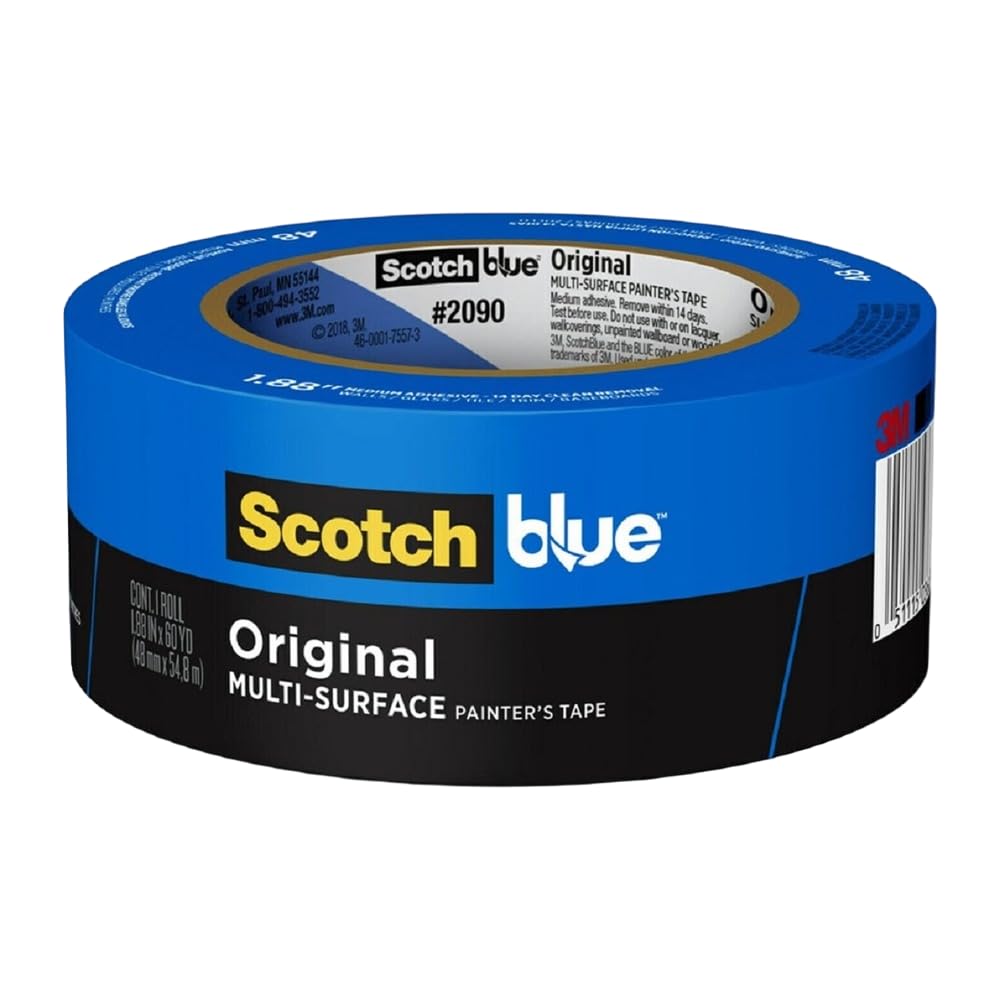
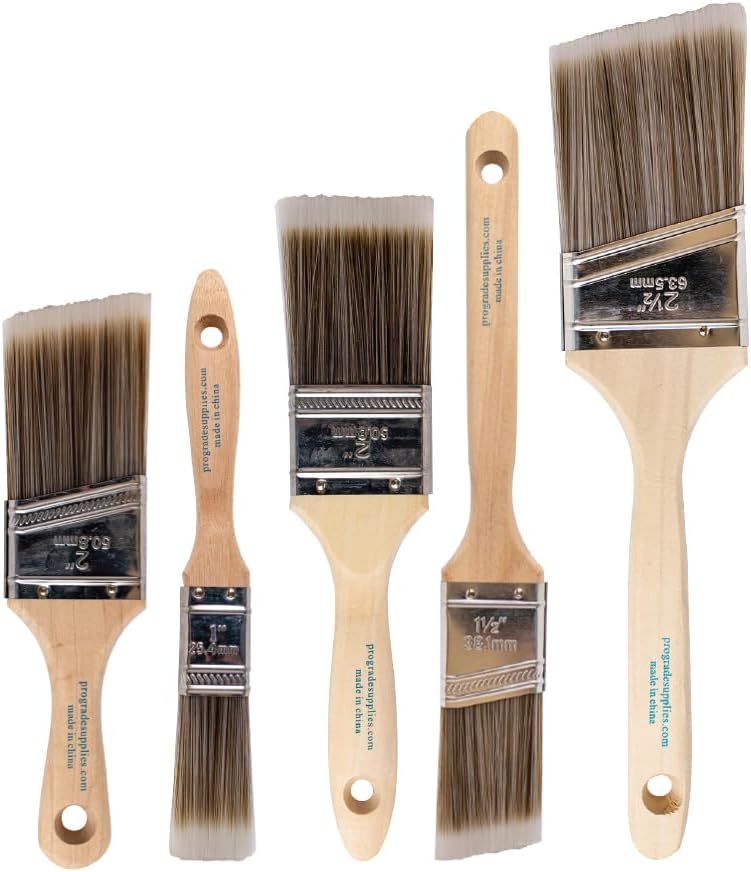
Tools to get it right
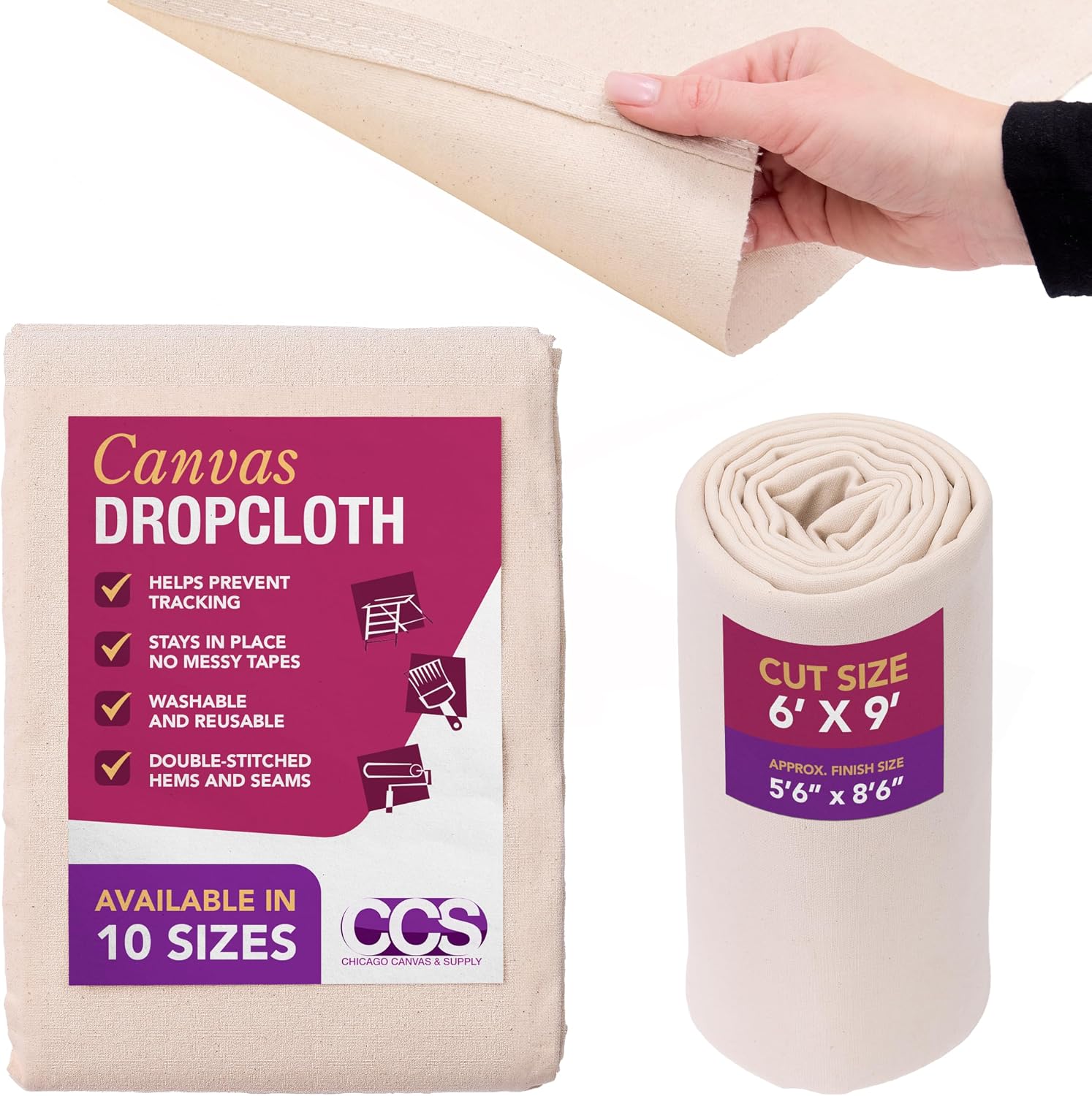
A few well-made pieces to help you put these ideas into practice — each one a long-time reader favorite on Amazon.


As an Amazon Associate, Alexander Redesign earns from qualifying purchases at no additional cost to you. Ratings and review counts are as shown on Amazon at the time of writing.