A room of your own
A collection that has spent thirty years in a box is not a collection. It is an archive. The day you give it a room — or even a shelf — it becomes a story again.
A collection that has spent thirty years in a box is not a collection. It is an archive. The day you give it a room — or even a single shelf — it becomes a story again, and the room becomes unmistakably, irreducibly yours.
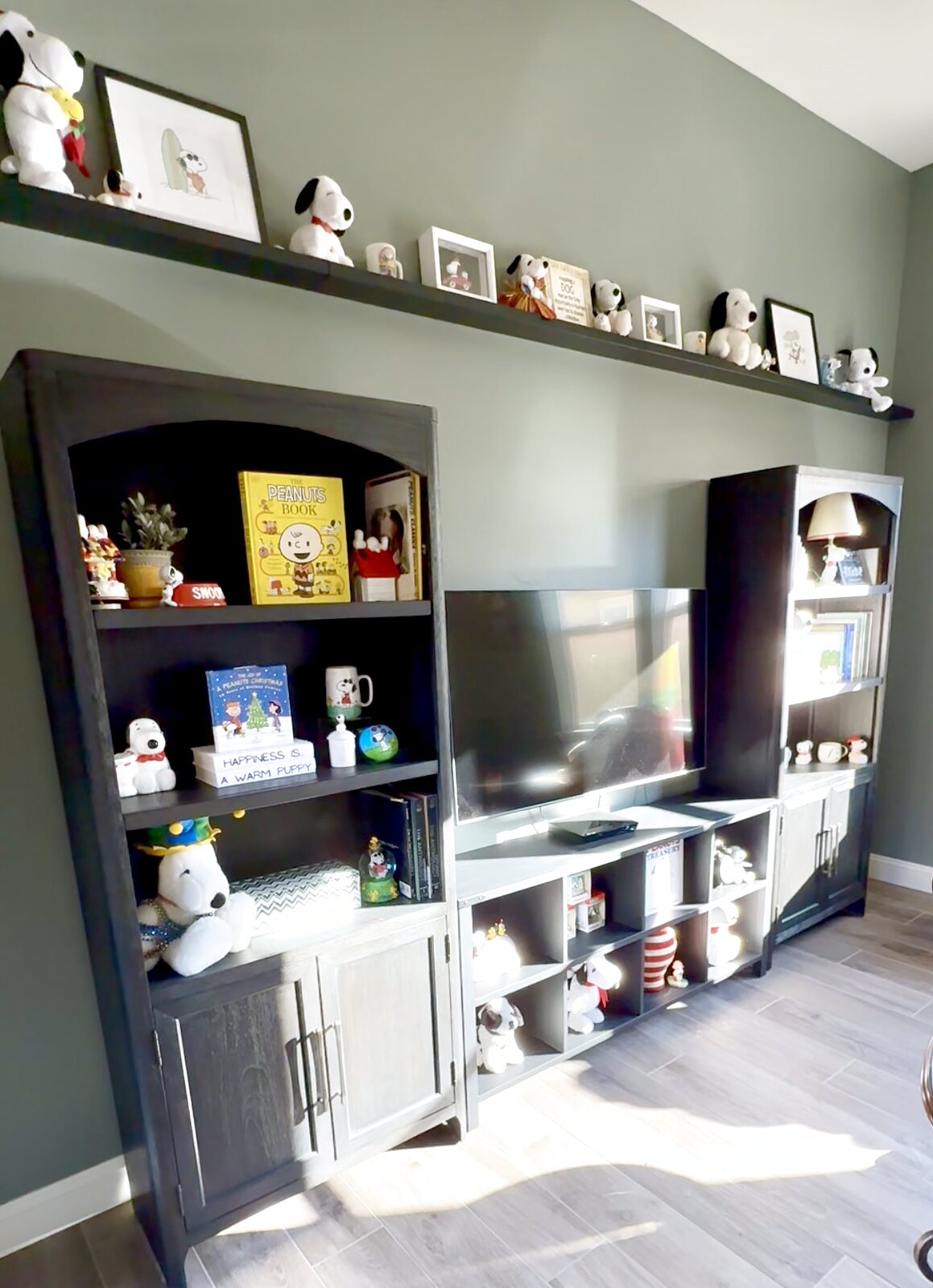
One of my favorite projects began this way. A lifetime of vintage Snoopy memorabilia, much of it still in its original wrapping, never displayed, never enjoyed — just accumulated, year over year, in a back closet. The client assumed it was a problem to be managed. I saw it as the best room in the house, waiting to happen.
Give it a room, or at least a shelf
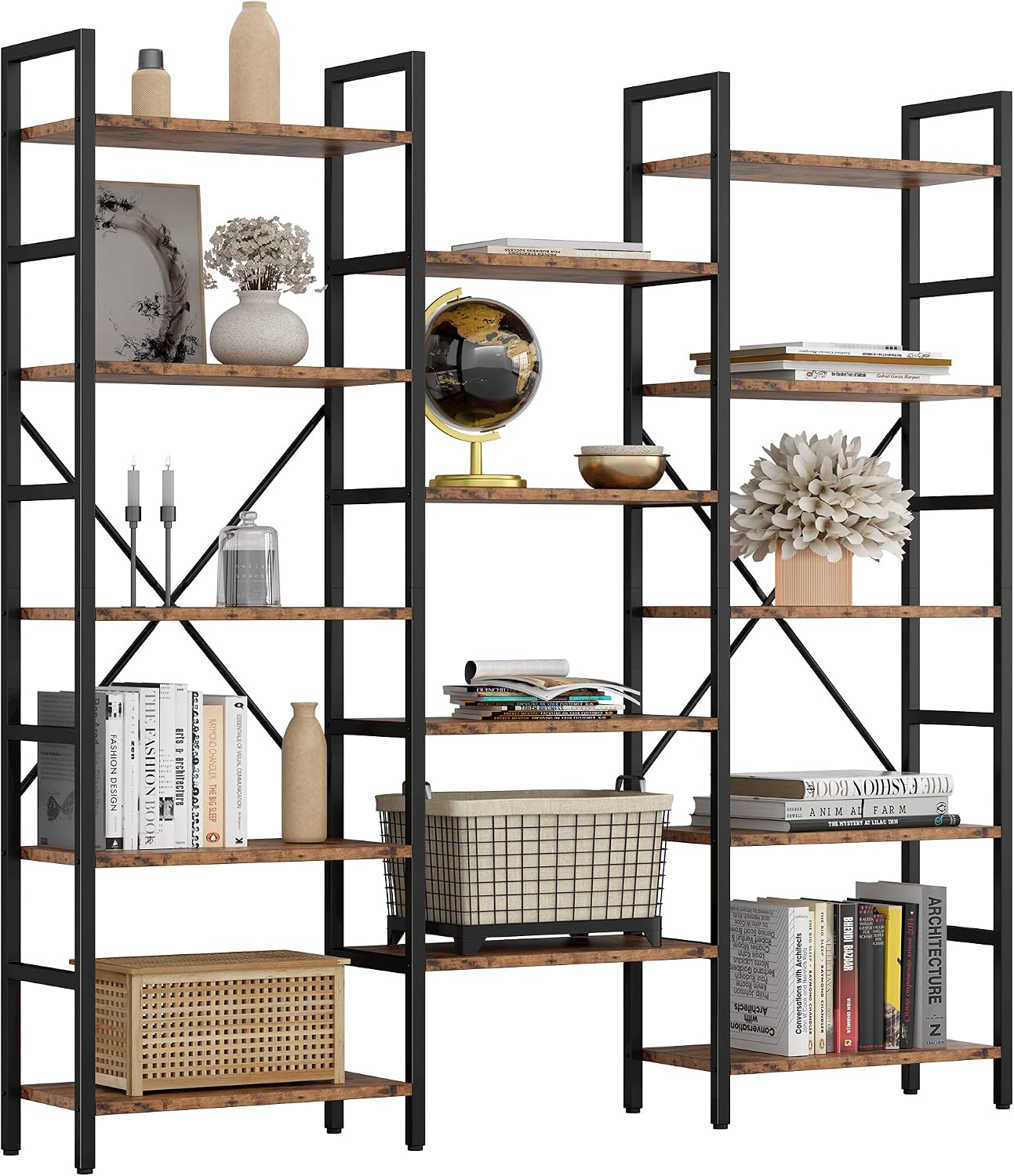
You do not need a spare room to honor a collection. You need a decision. A single wall of floating shelves, a bookcase given over entirely to the cause, a hallway turned into a gallery — any of these transforms an archive back into a living thing. The gesture matters more than the square footage.
For the Snoopy collection, we gave it a room of its own, but the principle scales down. Start by choosing the best piece — the one that means the most, or the one that is simply the most beautiful — and build outward from it. Everything else finds its place in relation to that center.
Anchor it with one piece of fine art
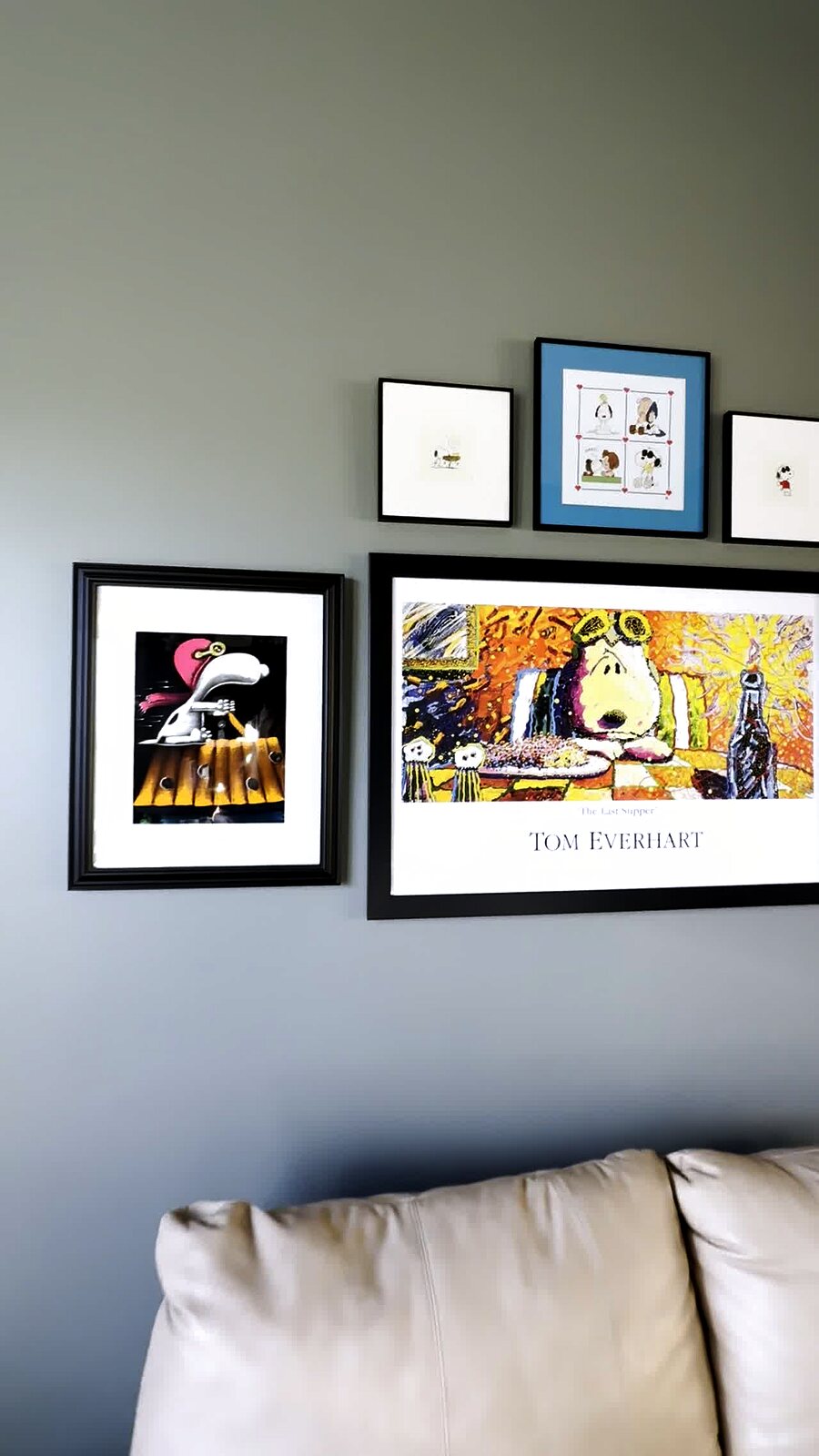
Here is the move that elevates a collection from hobby to design: anchor it with a single piece of real art. In that room, we hung a Tom Everhart fine art print at the center — a grown-up, gallery-worthy nod to the subject — and built the gallery walls out around it. Suddenly the whole room read as intentional. The collection was not a pile of memorabilia; it was a curated installation with a masterpiece at its heart.
You do not need to spend a fortune. The anchor can be a single framed original, a limited print, even a beautifully matted photograph. The point is that one piece carries weight — it tells the eye, this matters, look closely — and the collection arranges itself around that seriousness.
Let the walls tell the story
Once the anchor is set, let the walls do the work. Mix floating shelves for the three-dimensional pieces — the figurines, the small sculptures — with framed pieces on the surrounding wall. Keep a consistent rhythm of spacing so the eye can rest. A collection that fills every inch reads as hoarding; a collection with breathing room reads as love.
And do not forget the light. A collection is a collection of objects, and objects live by light. Even a simple picture light or a well-placed lamp turns a shelf of figurines from “stuff on a wall” into a display. Light is the difference between storage and staging, and it costs almost nothing to get right.
That is what I mean by honoring what you love: not storing it, but letting it live.From the studio
Shop the Story
Tools to get it right
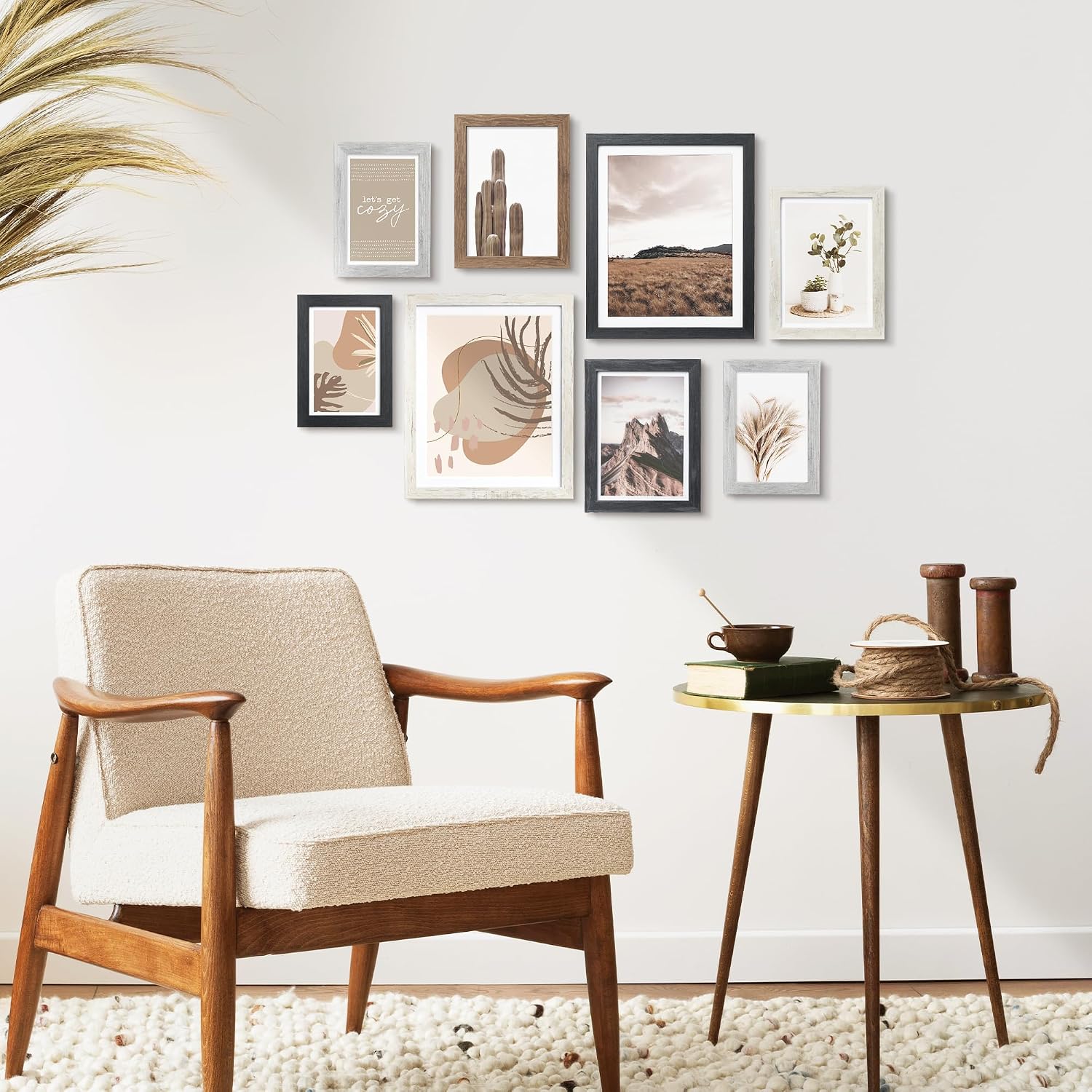
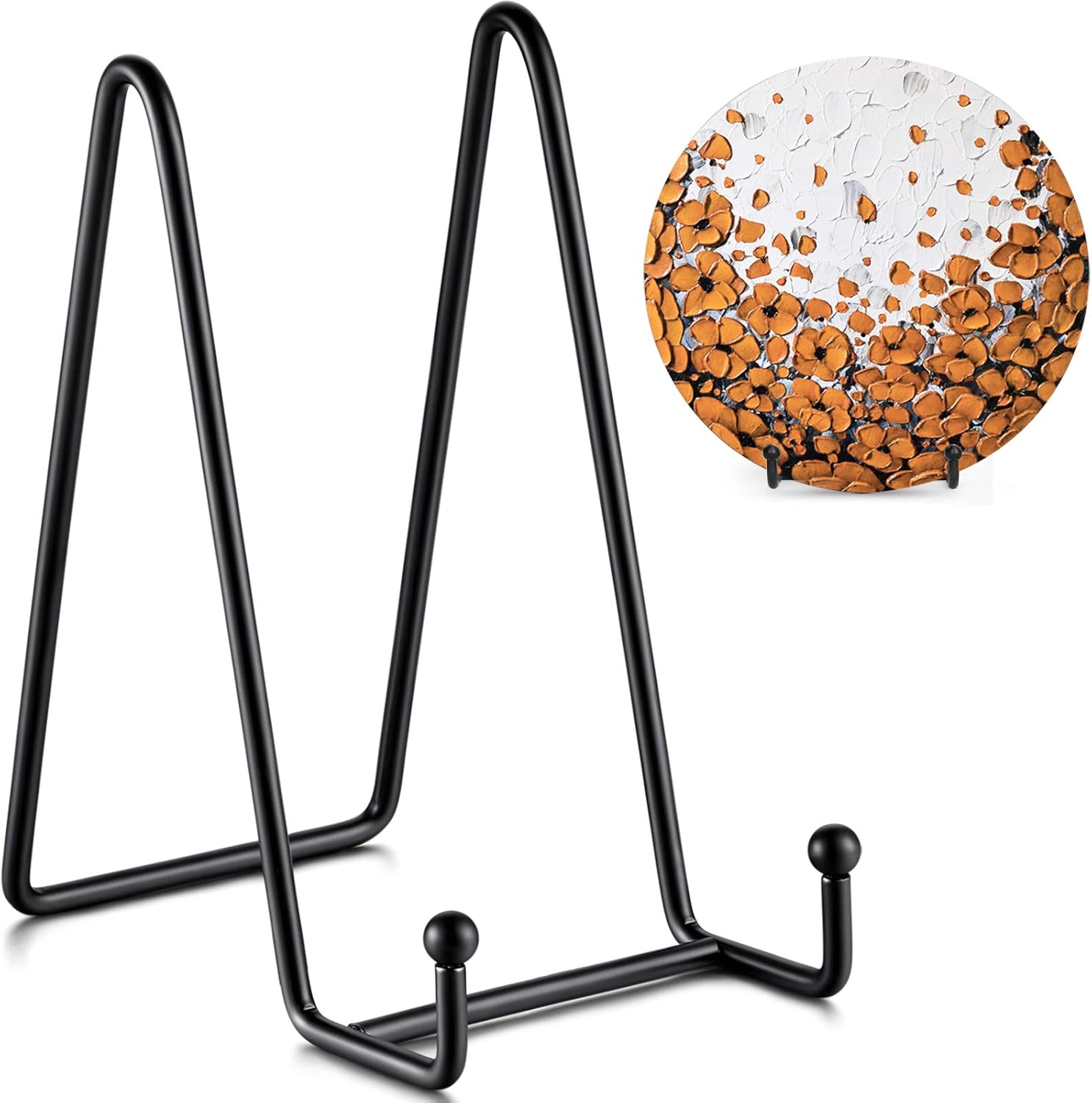
A few well-made pieces to help you put these ideas into practice — each one a long-time reader favorite on Amazon.

As an Amazon Associate, Alexander Redesign earns from qualifying purchases at no additional cost to you. Ratings and review counts are as shown on Amazon at the time of writing.