Light, layered, lived-in
A room that looks good in a photograph but feels cold to sit in has failed. Warmth is not a color. It is a texture, a temperature, and a habit — and it is built from the ground up.
A room that looks good in a photograph but feels cold to sit in has failed. This is the test I return to more than any other: would you actually want to spend a Sunday morning in it? If the answer is no, the problem is almost never the color scheme. It is the absence of layering.
Warmth — the kind you feel in your shoulders when you walk in — does not come from a single warm-toned paint or one cozy throw. It comes from depth: multiple light sources at different heights, textiles layered over textiles, surfaces that catch and soften the light. A flat, evenly lit room is a conference room. A layered room is a home.
Begin with light, end with texture
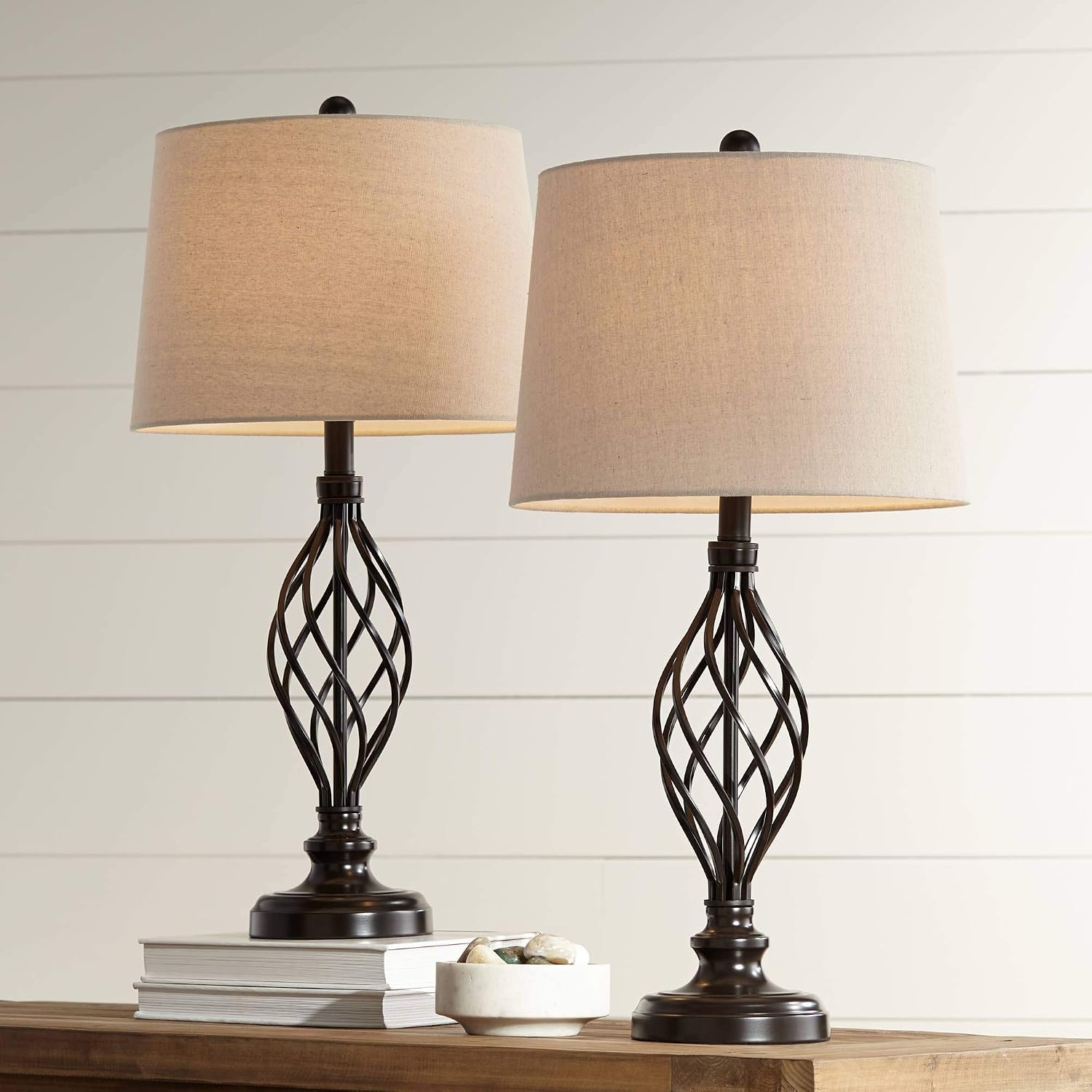
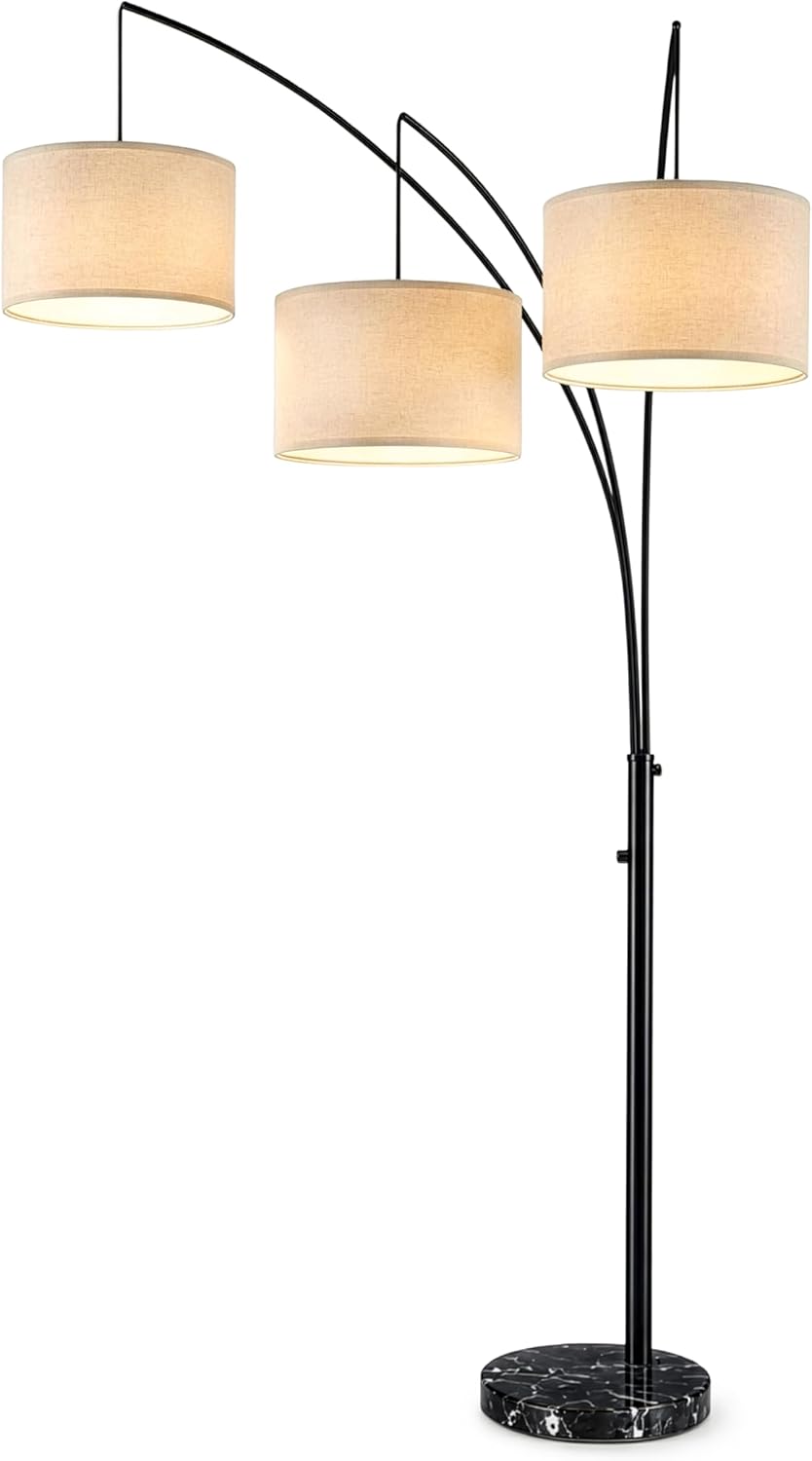
Before you touch a single pillow, count your light sources. If the answer is one overhead fixture, you have found your problem. Warmth lives in low, pooled light — a table lamp at shoulder height, a floor lamp in the corner that throws a soft wash up the wall, a reading light exactly where someone actually reads. I aim for at least three light sources in any seating area, all on separate switches, none of them the ceiling.
Then, and only then, layer the textures. A rug over a rug. A linen throw folded over the arm of a leather chair. A velvet pillow against a matte wall. The eye reads the contrast, and the contrast reads as comfort. Matchy-matchy rooms feel cold precisely because they give the eye nothing to linger on.
A rug over a rug
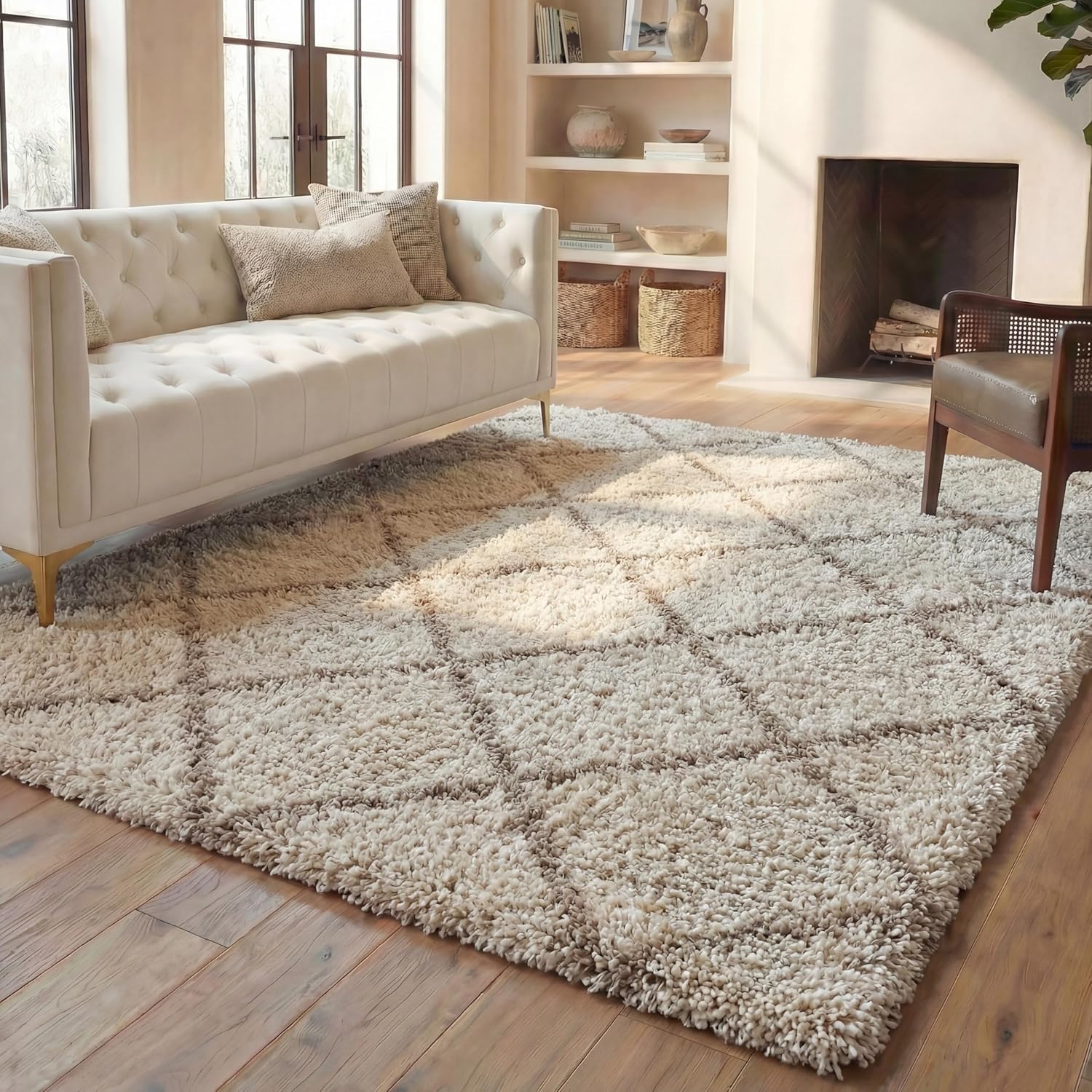
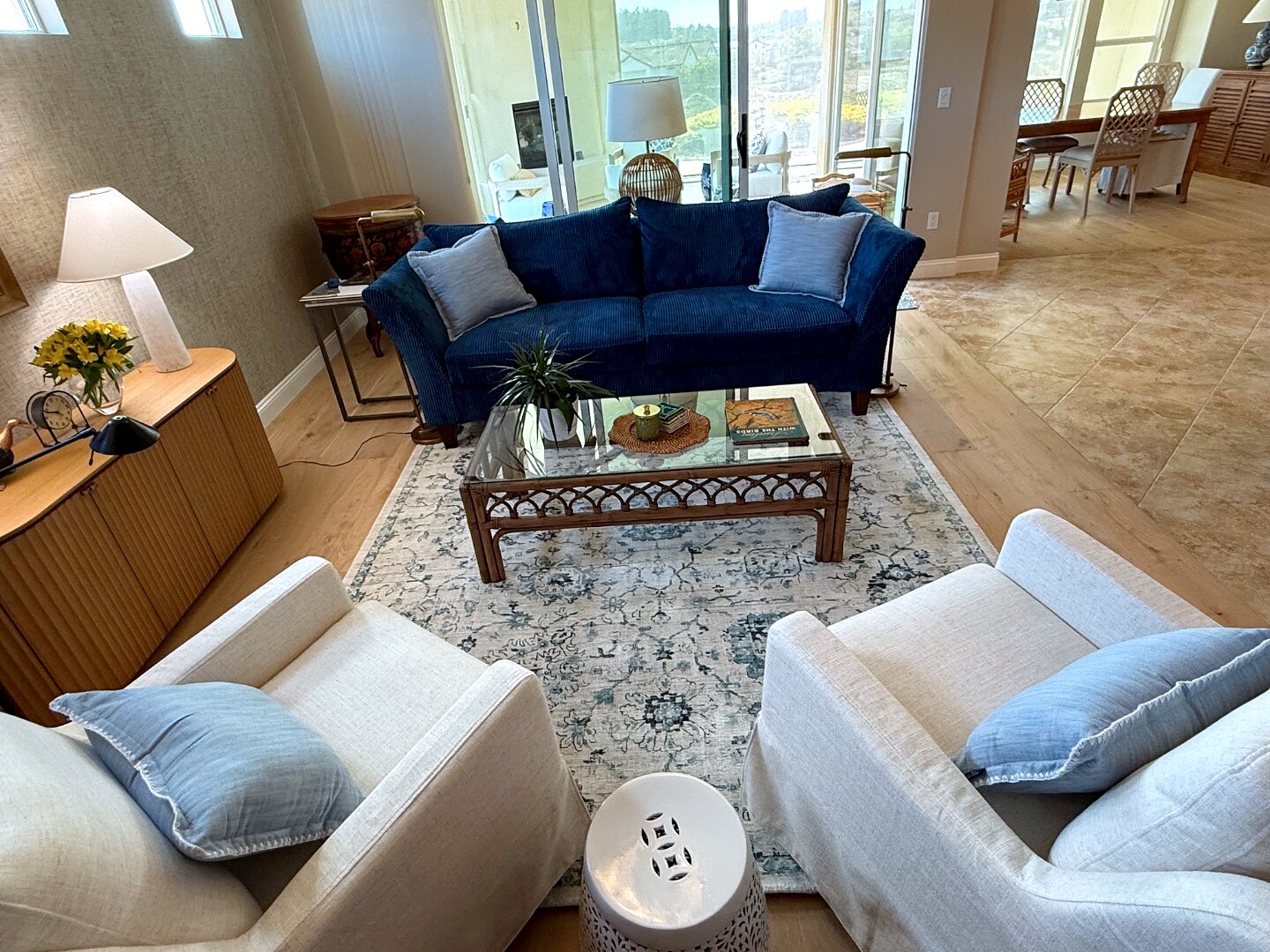
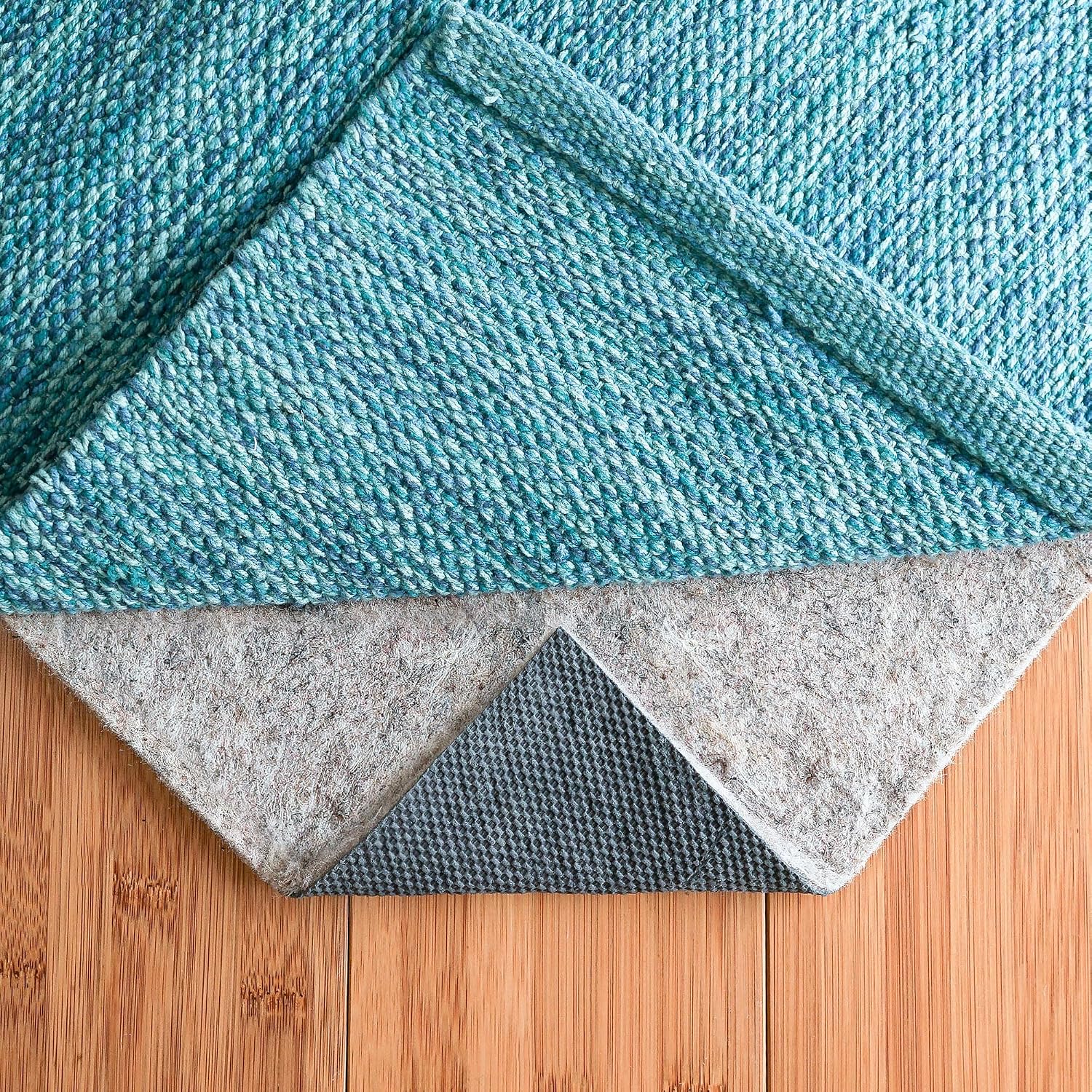
This is the move that surprises people and works every time. A larger, quieter rug — natural fiber or a low, tone-on-tone weave — anchors the room and defines the seating area. Then a smaller, richer rug layered on top brings pattern, color, and the feeling that the room was assembled over time rather than bought in an afternoon. A good non-slip pad underneath keeps the top rug flat and safe; never skip it.
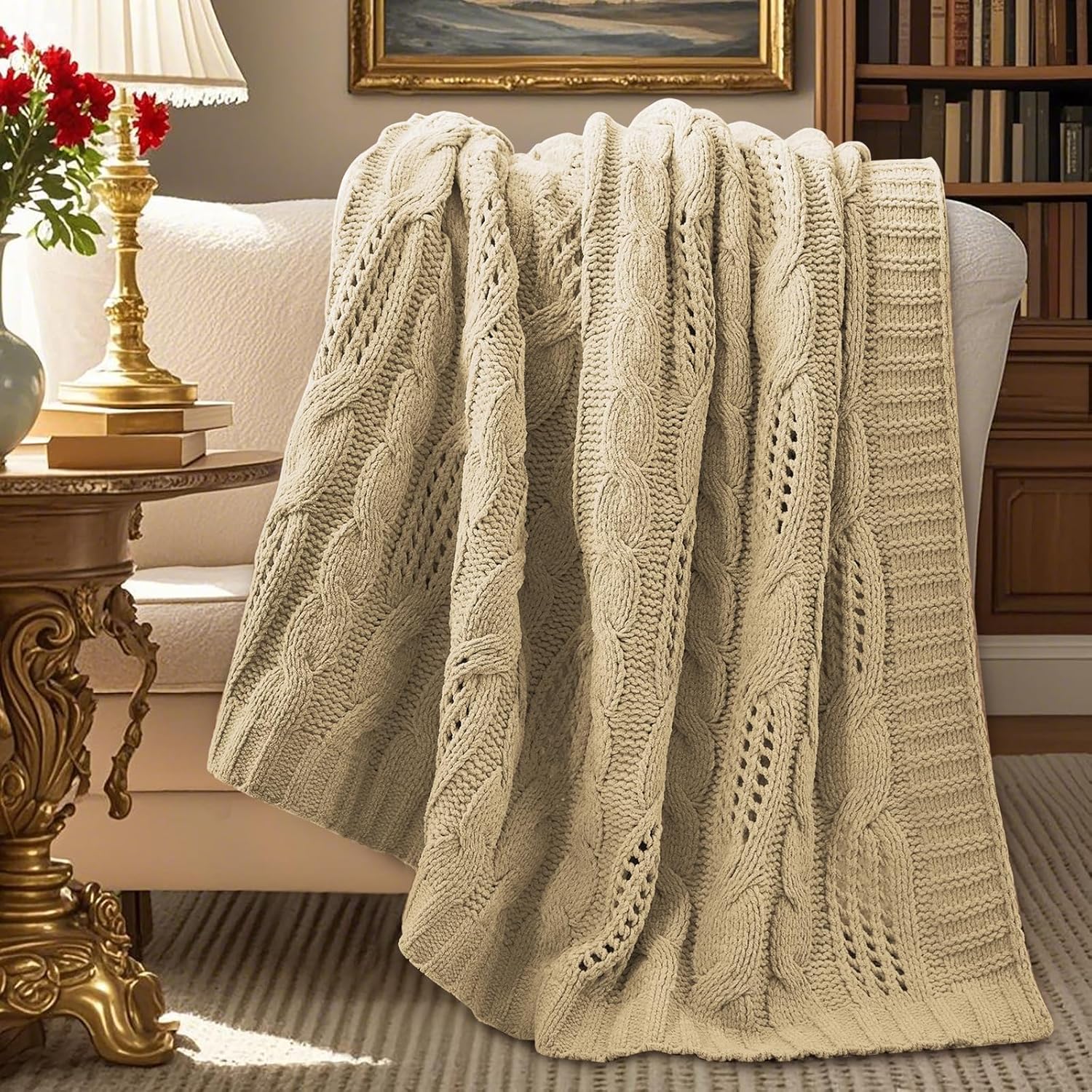
The same principle applies everywhere. A throw blanket is not just for warmth — it is a softness at exactly the height where a hand rests. A floor lamp with shelves does double duty, lighting the room and giving the layers somewhere to land. Every object should earn its place by doing more than one job.
Always leave room for a cup of coffee
I will end where I always end, because it matters more than people think: somewhere in every seating arrangement, there must be a place to put down a cup. A surface at the right height, within arm’s reach of a real seat, not a decorative chair nobody sits in. A room without that small, practical kindness is a room that photographs well and lives badly.
Layer the light, layer the textiles, and leave a spot for the coffee. Do those three things and the room will feel warm before you have spent a dollar on anything else. The best rooms are not the most expensive ones. They are the most lived-in.
I start with light and end with texture, and somewhere in the middle I make sure there is a place to put down a cup of coffee.From the studio
Shop the Story
Tools to get it right
A few well-made pieces to help you put these ideas into practice — each one a long-time reader favorite on Amazon.
As an Amazon Associate, Alexander Redesign earns from qualifying purchases at no additional cost to you. Ratings and review counts are as shown on Amazon at the time of writing.